
Services
Balloon Pilot For Hire
Learn to Fly
Balloon Maintenance (Coming Soon)
F.A.Q.
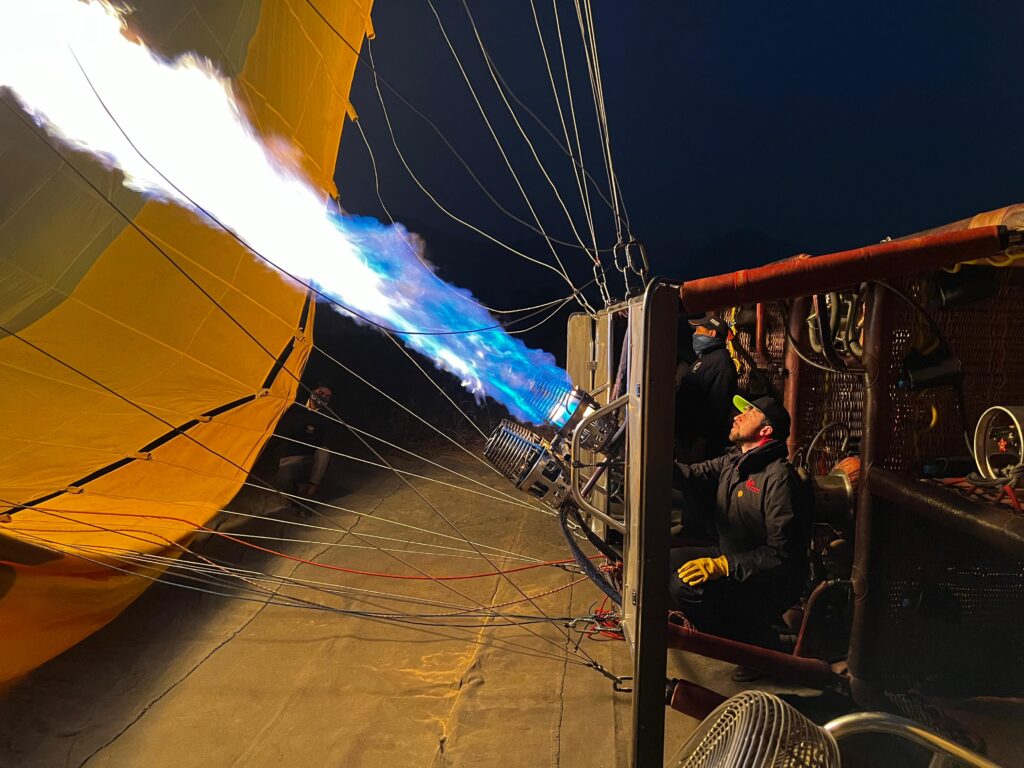
Dress comfortably in casual layers, much like you would for a light hike. While you might expect it to be chilly up in the air, the temperature is actually very similar to the ground, and the balloon’s burner acts like a cozy heater!
Key recommendations:
Footwear: Wear sturdy, flat, closed-toe shoes (sneakers or hiking boots). We often take off and land in grassy or uneven fields, so heels and sandals are not permitted.
Headwear: A hat or cap is highly recommended to protect your head from the radiant heat of the burner.
Fabrics: Opt for natural fibers like cotton over synthetics like nylon.
Safety is always the top priority. Anyone joining a flight needs to be in good general health, able to stand unassisted for at least an hour, and able to climb in and out of the basket. (Some of these requirements may change due to different national regulations)
Restrictions generally include:
Age/Height: Children must be accompanied by a responsible adult, understand safety instructions and be tall enough (usually around 4 feet) to safely see over the edge of the basket.
Pregnancy: For safety reasons, pregnant individuals are not permitted to fly.
Medical conditions: We strongly advise against flying if you have recently had surgery, or if you suffer from severe back, neck, knee, or heart issues. When in doubt, please consult your doctor before flying.
The altitude of a flight varies from day to day. Sometimes we stay lower to the ground, gently skimming above the treetops to take in the local scenery. Other times, we might climb up to a few thousand feet to catch different wind currents and enjoy sweeping panoramic views.
As for motion sickness, it is highly unusual! Because a balloon moves with the wind, there is no swaying, rocking, or feeling of turbulence. The basket feels incredibly stable, and the sensation is often described as feeling like the earth is simply dropping away while you remain completely still.
Hot air ballooning is deeply tied to the weather, and we are at the complete mercy of the elements. To fly safely, we require very specific conditions:
Calm, stable surface winds.
Suitable visibility.
Absolutely no rain or approaching storms.
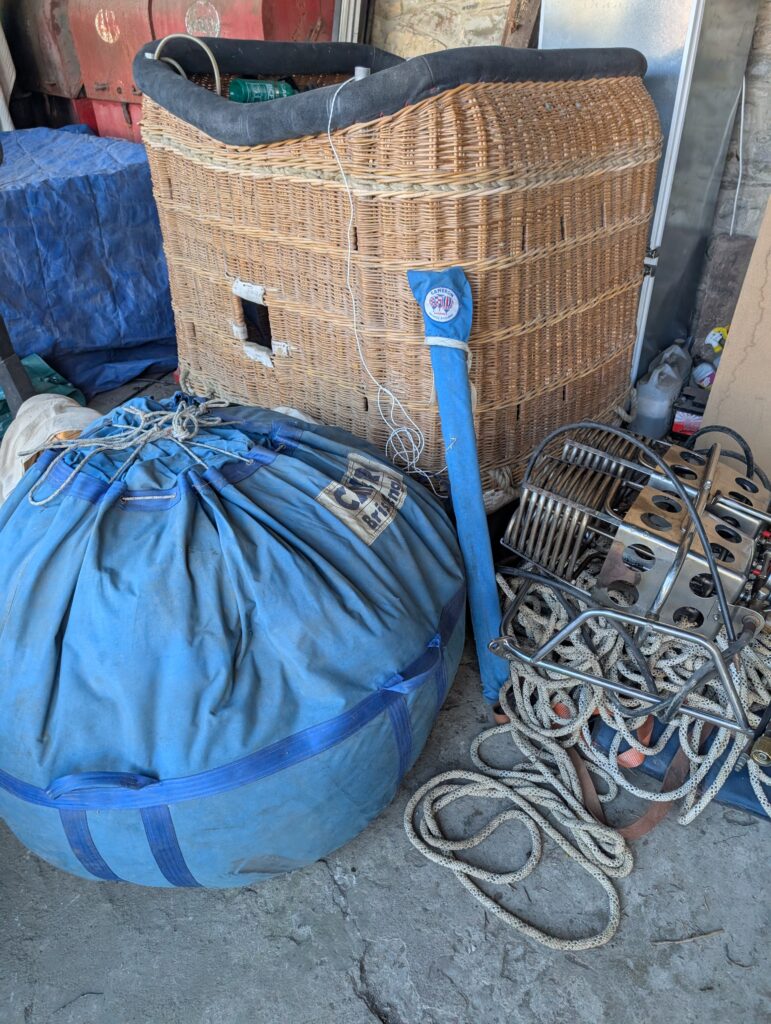
Because of this, flights are planned for the early morning or late evening when the winds are calmest. We constantly monitors aviation weather forecasts, and if the conditions aren’t perfectly aligned, the balloon simply stays in the bag for another, better day.